
Bulgaria food reflects centuries of history, culture, and regional influences. Located in Southeastern Europe, Bulgaria combines fresh vegetables, dairy products, grilled meats, herbs, and homemade breads to create meals that are both healthy and flavorful. The country’s cuisine has been shaped by Balkan, Ottoman, Mediterranean, and Slavic traditions, resulting in recipes that have remained popular for generations.
Whether you are planning a trip to Bulgaria or simply enjoy exploring international cuisine, Bulgarian dishes offer something for every taste. From hearty stews to refreshing salads and delicious pastries, every meal tells a story of local traditions and hospitality.
Why Bulgarian Cuisine Is Unique
Bulgarian cooking focuses on fresh, seasonal ingredients rather than complicated techniques. Local farmers supply vegetables, fruits, herbs, and dairy products that become the foundation of many meals.
Some defining characteristics include:
- Fresh tomatoes, cucumbers, and peppers
- Creamy yogurt made with unique bacterial cultures
- White brined cheese
- Grilled meats
- Homemade breads and pastries
- Aromatic herbs such as parsley, mint, and savory
- Slow-cooked stews and casseroles
Many recipes have remained unchanged for centuries, making Bulgarian cuisine one of Europe’s most authentic food traditions.
Famous Bulgaria Food Everyone Should Try
When discussing bulgaria food, several dishes stand out as national favorites.
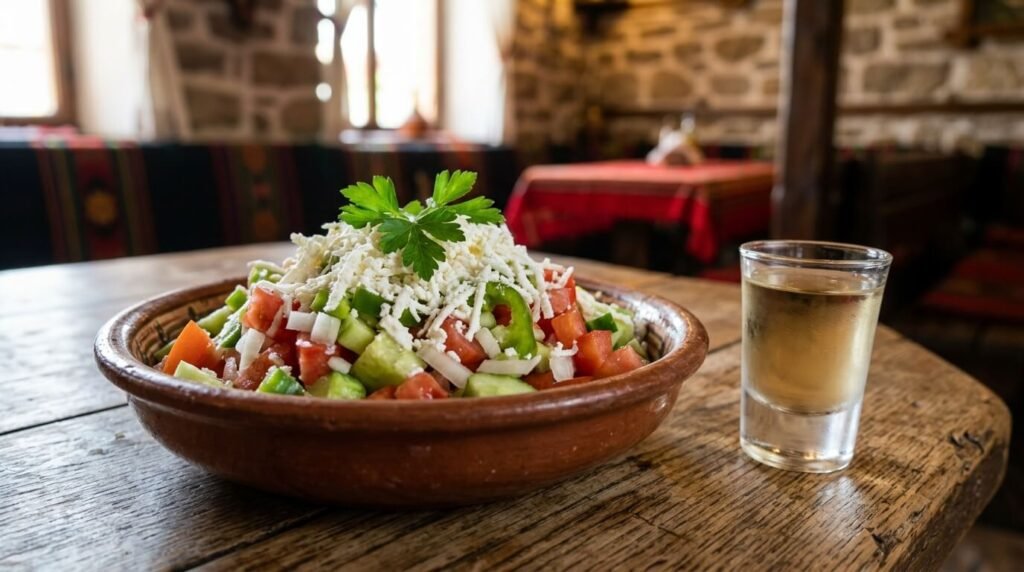
Shopska Salad
This colorful salad is one of Bulgaria’s most recognizable dishes. It combines:
- Tomatoes
- Cucumbers
- Roasted peppers
- Onions
- Fresh parsley
- Grated white cheese
It is refreshing, nutritious, and often served before the main course.
Banitsa
Banitsa is a flaky pastry prepared with thin pastry layers, eggs, yogurt, and white cheese. Families often enjoy it for breakfast alongside yogurt or tea.
Special versions appear during holidays, where small lucky charms or written wishes are hidden inside the pastry.
Kavarma
Kavarma is a slow-cooked meat stew prepared with pork or chicken, onions, peppers, mushrooms, tomatoes, and herbs. It is traditionally baked in clay pots, creating rich flavors.
Kebapche
These grilled minced meat rolls resemble skinless sausages and are seasoned with black pepper, cumin, and salt. They are commonly served with fries, fresh salad, or bread.
Kyufte
Kyufte are Bulgarian meat patties made from minced beef or pork mixed with herbs and spices. They are grilled until juicy and served with vegetables or potatoes.
Traditional Soups
Soup plays an important role in Bulgarian dining.
Tarator
Tarator is a chilled yogurt soup made with:
- Yogurt
- Cucumbers
- Garlic
- Dill
- Walnuts
- Olive oil
It is especially refreshing during hot summer months.
Shkembe Chorba
This traditional tripe soup is famous for its rich taste. Many locals enjoy it after celebrations because they believe it helps restore energy.
Bean Soup
Bean soup remains a family favorite throughout Bulgaria. It combines beans, onions, carrots, tomatoes, herbs, and spices into a satisfying meal.
Delicious Bulgarian Main Courses
Many main dishes feature slow cooking, which develops deep flavors.
Popular choices include:
- Stuffed peppers
- Grilled lamb
- Roasted pork
- Chicken with rice
- Vegetable casseroles
- Stuffed cabbage rolls
- Slow-cooked beef stews
These dishes often come with bread and seasonal salads.
Bulgarian Dairy Products
One reason bulgaria food is admired worldwide is its exceptional dairy.
Bulgarian Yogurt
Bulgarian yogurt has earned international recognition for its creamy texture and beneficial bacteria. It appears in breakfast, desserts, soups, and sauces.
Sirene Cheese
Sirene is a white brined cheese similar to feta but with its own distinctive flavor. It is widely used in salads, pastries, and baked dishes.
Kashkaval Cheese
Kashkaval is a semi-hard cheese commonly sliced for sandwiches, grated over meals, or served as an appetizer.
Traditional Bread and Pastries
Bread holds deep cultural importance in Bulgaria.
Popular baked foods include:
- Banitsa
- Homemade country bread
- Cheese pastries
- Sweet pastries
- Sesame rolls
Fresh bread accompanies nearly every meal.
Bulgarian Desserts
Sweet lovers will find many delightful treats.
Tikvenik
Tikvenik is a pumpkin-filled pastry flavored with cinnamon and walnuts, especially popular during autumn.
Baklava
Introduced during the Ottoman period, baklava features thin pastry layers filled with chopped nuts and sweet syrup.
Garash Cake
Garash Cake is one of Bulgaria’s most famous desserts. Rich chocolate layers and walnuts create an indulgent finish to any meal.
Popular Bulgarian Drinks
Traditional drinks complement local cuisine perfectly.
Common beverages include:
- Ayran
- Herbal teas
- Mineral water
- Fruit juices
- Coffee
Adults also enjoy locally produced wines and fruit brandies that reflect Bulgaria’s long winemaking tradition.
Healthy Aspects of Bulgaria Food
Nutrition experts often praise bulgaria food because many meals naturally include balanced ingredients.
Health benefits include:
- Plenty of vegetables
- High-quality dairy
- Lean grilled meats
- Fresh herbs
- Moderate use of healthy fats
- Fermented foods that support digestion
Traditional recipes rely more on natural ingredients than heavily processed foods.
Dining Culture in Bulgaria
Meals are an important social event. Families often gather around large tables where multiple dishes are shared.
Visitors may notice several traditions:
- Fresh salad usually starts the meal.
- Bread is served with almost every dish.
- Guests receive generous portions.
- Homemade recipes are highly valued.
- Sharing food symbolizes friendship and hospitality.
These customs make every meal a memorable cultural experience.
Regional Specialties
Different regions contribute their own culinary traditions.
Mountain areas often specialize in hearty meat dishes and dairy products.
Coastal regions feature more seafood and fresh fish.
Southern Bulgaria offers dishes with Mediterranean influences, while northern regions prepare rich soups and stews using locally grown vegetables.
Exploring regional cooking provides an even deeper appreciation of Bulgarian culinary diversity.
Tips for Trying Bulgarian Cuisine
If you are visiting Bulgaria, keep these suggestions in mind:
- Begin with a traditional salad.
- Taste local yogurt and cheese.
- Try meals prepared in clay pots.
- Sample homemade pastries.
- Visit local family-owned restaurants.
- Explore seasonal dishes.
- Pair meals with traditional beverages.
These experiences offer a true taste of Bulgarian hospitality.
Final Thoughts
Bulgaria food offers an impressive combination of fresh ingredients, traditional recipes, and centuries-old cooking techniques. Every region contributes unique flavors, while classic dishes such as Shopska salad, Banitsa, Kavarma, and Tarator continue to delight both locals and international visitors.
Whether you enjoy hearty meat dishes, refreshing salads, creamy dairy products, or flaky pastries, Bulgarian cuisine delivers unforgettable flavors rooted in history and family traditions. Exploring bulgaria food is more than enjoying delicious meals—it is an opportunity to experience one of Europe’s richest culinary cultures.
Frequently Asked Questions
What is the most famous Bulgaria food?
Shopska salad, Banitsa, Kavarma, and Kebapche are among the country’s most iconic dishes and are widely enjoyed throughout Bulgaria.
Is Bulgarian cuisine healthy?
Yes. Traditional Bulgarian meals include fresh vegetables, yogurt, cheese, herbs, grilled meats, and fermented foods that support a balanced diet.
What dessert is popular in Bulgaria?
Garash Cake, Tikvenik, and Baklava are among the most loved traditional desserts.
What cheese is commonly used in Bulgarian cooking?
Sirene, a white brined cheese, is the most commonly used cheese in salads, pastries, and many traditional recipes.
Is Bulgarian food spicy?
Most dishes are mildly seasoned with herbs and spices rather than hot chili peppers, making them suitable for many different tastes.