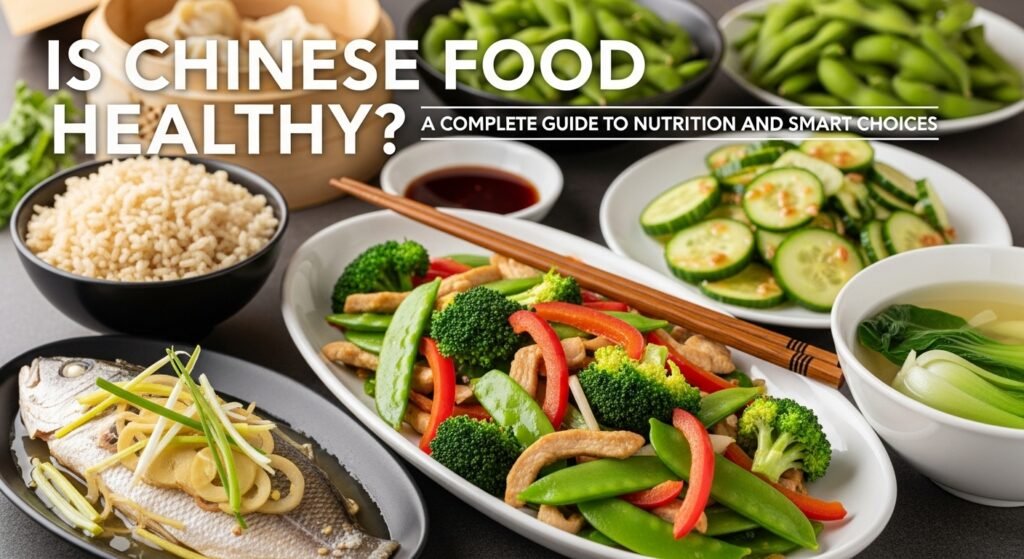

Many people enjoy Chinese cuisine because it is flavorful, affordable, and widely available. However, many health-conscious people often wonder: is Chinese food healthy? Some dishes contain deep-fried ingredients, sugary sauces, and high sodium levels, which may cause concerns about nutrition. At the same time, traditional Chinese cuisine includes vegetables, lean proteins, and balanced meals that can support a healthy lifestyle. The solution is learning about Chinese food nutrition and making smart choices when ordering or cooking. By selecting better dishes and controlling portions, it is possible to enjoy Chinese meals while maintaining a balanced diet.
This guide explains the nutritional value of Chinese cuisine, explores common health concerns, and highlights healthy Chinese food options that help people make better food decisions.
Understanding Chinese Food Nutrition
To understand whether Chinese cuisine is healthy, it is important to learn about Chinese food nutrition. Traditional Chinese meals are designed around balance. A typical dish combines carbohydrates, protein, and vegetables in one meal.
Common ingredients in Chinese cooking include:
- Rice or noodles for energy
- Vegetables such as broccoli, cabbage, bok choy, and mushrooms
- Protein sources like chicken, tofu, shrimp, or beef
- Flavorful seasonings such as ginger, garlic, and soy sauce
These ingredients provide important nutrients including fiber, vitamins, minerals, and protein. Traditional cooking methods like stir-frying and steaming help maintain nutrient levels while using moderate amounts of oil.
However, modern restaurant meals sometimes add more oil, sugar, or sodium than traditional recipes. Understanding Chinese food nutrition helps people recognize the difference between healthy dishes and less healthy ones.
Is Chinese Food Healthy Compared to Other Takeout Meals?
Many people ask is Chinese food healthy when comparing it with other fast-food choices. In some cases, Chinese cuisine can be healthier than burgers, fried chicken, or pizza because it often contains more vegetables and lean proteins.
For example, a vegetable stir-fry with chicken and rice provides protein, fiber, and carbohydrates in a balanced way. This combination can provide energy while also delivering important nutrients.
However, not every dish is equally healthy. Meals that are deep-fried or covered in thick sauces may contain more calories and sodium. When people understand Chinese food nutrition, they can identify healthier choices on the menu and avoid dishes that are overly processed.
Common Nutritional Concerns in Chinese Cuisine
Although Chinese food can be healthy, some dishes raise nutritional concerns. These concerns often appear when discussing is Chinese food healthy in modern restaurant settings.
High Sodium Content
One of the most common concerns is sodium. Soy sauce, oyster sauce, and other condiments add flavor but can increase sodium levels in meals.
High sodium intake can contribute to:
- High blood pressure
- Increased risk of heart disease
- Water retention
Requesting lighter sauces or asking for sauce on the side can help reduce sodium intake.
Excess Oil and Fried Foods
Another issue is deep-fried dishes. Foods like egg rolls, fried dumplings, and crispy chicken are often cooked in oil, which increases calorie and fat content.
Choosing steamed or lightly stir-fried dishes instead can make a big difference in overall health.
Sugary Sauces
Some restaurant dishes include sauces that contain large amounts of sugar. Sweet and sour chicken or orange chicken may taste delicious but often contain added sugars.
These ingredients can increase calorie intake and reduce the nutritional balance of the meal.
Chinese Food Health Benefits
Despite some concerns, Chinese cuisine also offers many advantages. Understanding Chinese food health benefits helps people appreciate the positive aspects of this cuisine.
High Vegetable Content
Vegetables play an important role in Chinese cooking. Many dishes include broccoli, snow peas, cabbage, and mushrooms. These vegetables provide fiber and vitamins that support overall health.
Balanced Meal Structure
Traditional Chinese meals often combine protein, vegetables, and grains. This balance helps maintain stable energy levels and supports good nutrition.
Use of Natural Ingredients
Many Chinese recipes use ingredients like ginger, garlic, and green onions. These natural ingredients contain antioxidants and may support immune health.
Because of these factors, traditional dishes often provide valuable Chinese food health benefits when prepared with healthy cooking methods.
Healthy Chinese Food Options
People who want to eat healthier can still enjoy Chinese cuisine by selecting healthy Chinese food options. Many restaurants offer dishes that are both flavorful and nutritious.
Some healthier choices include:
Steamed Vegetable Dishes
Steamed vegetables are low in calories and rich in nutrients. Dishes like steamed broccoli or mixed vegetables are excellent choices for people who want lighter meals.
Stir-Fried Lean Proteins
Chicken, tofu, and shrimp stir-fried with vegetables provide protein while maintaining moderate calorie levels.
Soup-Based Meals
Soups such as vegetable soup or hot and sour soup can be filling while providing fewer calories compared to fried dishes.
Steamed Dumplings
Steamed dumplings contain less oil than fried dumplings and can be a good option when eaten in moderation.
Selecting healthy Chinese food options helps people enjoy Chinese cuisine while maintaining balanced nutrition.
Is Chinese Takeout Healthy?
Another question many people ask is is Chinese takeout healthy. The answer depends largely on the type of dishes ordered and portion sizes.
Takeout meals often come in large portions, which can increase calorie intake. However, takeout can still be healthy when choosing lighter dishes.
Tips for healthier takeout include:
- Choose steamed dishes instead of fried foods
- Request sauces on the side
- Select meals that include vegetables
- Avoid overly sugary sauces
By following these strategies, people can improve Chinese food nutrition even when ordering from restaurants.
Simple Tips for Eating Chinese Food in a Healthy Way
Making small adjustments can help people enjoy Chinese meals while maintaining good health.
Choose Steamed or Stir-Fried Meals
Steamed foods usually contain fewer calories than deep-fried dishes.
Add More Vegetables
Vegetables increase fiber intake and improve overall nutrition.
Limit Sauces
Heavy sauces often contain high amounts of sodium and sugar.
Select Brown Rice
Brown rice provides more fiber and nutrients compared to white rice.
Control Portions
Sharing dishes or saving leftovers helps prevent overeating.
These habits allow people to enjoy Chinese food health benefits while avoiding excess calories.
Traditional Chinese Cooking and Healthy Eating
Traditional Chinese cooking methods focus on balance and freshness. Instead of heavy processing, many recipes use fresh vegetables, herbs, and moderate seasoning.
Common cooking methods include:
- Stir-frying
- Steaming
- Boiling soups
- Light sautéing
These techniques help preserve nutrients and maintain the natural flavors of ingredients. Because of this approach, traditional meals often provide balanced Chinese food nutrition.
Can Chinese Food Be Part of a Balanced Diet?
Yes, Chinese cuisine can absolutely fit into a healthy diet. The key is understanding ingredients and making mindful choices.
When people ask is Chinese food healthy, the answer depends on how the food is prepared and which dishes are selected. Meals that include vegetables, lean proteins, and moderate sauces can be nutritious and satisfying.
Choosing healthy Chinese food options such as vegetable stir-fries, steamed dumplings, and soup-based dishes allows individuals to enjoy Chinese cuisine while supporting their health goals.
Conclusion
Chinese cuisine is one of the most diverse and popular food traditions in the world. While some restaurant dishes may contain high amounts of oil, sugar, or sodium, many traditional recipes are balanced and nutritious.
Understanding Chinese food nutrition helps people make smarter food choices. When selecting meals that emphasize vegetables, lean proteins, and lighter cooking methods, individuals can enjoy the many Chinese food health benefits that this cuisine offers.
By choosing wisely and paying attention to portion sizes, it is possible to enjoy delicious Chinese meals regularly while maintaining a healthy lifestyle. In the end, the answer to is Chinese food healthy depends on the ingredients, preparation methods, and personal eating habits.