

Introduction
Many people around the world struggle with hunger, food insecurity, or simply not having enough meals every day. Feeling hungry or unsupported can affect health, mood, and overall well-being. The good news is that food kindness can help solve this problem. Simple acts like sharing meals, donating food, or supporting community programs ensure that no one feels left out or hungry. By practicing acts of food kindness, we not only help others but also create a stronger, more compassionate community.
What Is Food Kindness?
Food kindness means offering food or meals to others in a thoughtful and caring way. It can be as simple as sharing your lunch with a coworker or donating canned goods to a food bank. These actions go beyond feeding someone — they show compassion, respect, and support. Practicing food kindness can strengthen relationships and build a sense of community while addressing the basic need for nourishment.
Simple Acts of Food Kindness You Can Try
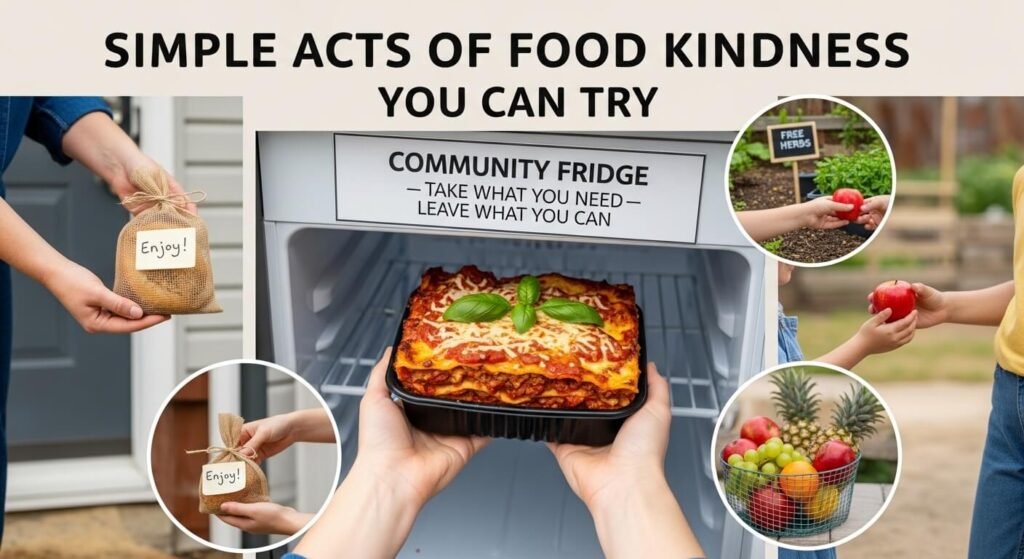
Here are some meaningful ways to incorporate acts of food kindness into your daily life:
1. Share a Meal
Sharing a meal with a friend, neighbor, or someone in need is one of the easiest ways to practice food kindness. Even inviting a coworker to lunch or preparing an extra portion at home counts. Small gestures can make someone’s day better and encourage a culture of caring.
2. Donate Food
Food banks, shelters, and community kitchens rely on donations. You can contribute canned goods, packaged meals, or even freshly cooked dishes. Participating in these food kindness initiatives ensures people who are struggling have access to healthy meals.
3. Volunteer Your Time
Helping at a soup kitchen, food pantry, or community garden is a practical way to spread love through food. Spreading food kindness through volunteering connects you directly with those who need support and fosters empathy.
4. Cook for Someone
Preparing a meal for someone recovering from illness, coping with a difficult situation, or just having a busy week is a personal and meaningful way to show care. These acts of kindness are simple but deeply impactful.
5. Organize a Food Drive
Bringing people together to collect food items is a powerful food kindness initiative. You can organize a drive in your neighborhood, school, or workplace to help families in need. This not only provides meals but also builds community spirit.
Why Food Kindness Matters
Even small gestures can have big effects. Food kindness ideas like sharing meals or volunteering can:
- Improve health and well-being: Proper nutrition helps people stay healthy, while emotional support boosts mental health.
- Strengthen community ties: Acts of kindness create bonds between neighbors, coworkers, and strangers.
- Encourage generosity: When one person practices acts of food kindness, it inspires others to do the same.
These small, consistent actions can make a lasting difference in both individual lives and the broader community.
Creative Food Kindness Ideas
Here are additional food kindness ideas that anyone can try:
- Pack extra snacks for someone at school or work.
- Invite a neighbor over for a shared meal.
- Offer meals to local volunteers or essential workers.
- Share recipes or meal kits with friends.
- Start a small garden and give the produce to neighbors or shelters.
- Coordinate a community potluck to bring people together.
- Encourage your children to participate in acts of food kindness to teach empathy.
These actions make it easy to practice spreading food kindness every day without spending much money or time.
Food Kindness Initiatives Around the World
Organizations and communities are turning food kindness into organized programs:
- Community kitchens and soup kitchens: Serve daily meals to those in need.
- Basket of Kindness projects: Encourage people to donate food at collection points in stores.
- Random acts of food kindness campaigns: Share inspiring stories to encourage more people to help.
Joining these initiatives amplifies your impact and allows you to participate in larger food kindness initiatives beyond your immediate circle.
Tips for Making Food Kindness a Habit
To keep practicing food kindness regularly:
- Start small: Even a single action a week is meaningful.
- Include others: Invite friends or family to join you.
- Be creative: Think of new ways to share meals or ingredients.
- Stay consistent: Consistency creates long-term community impact.
The more we practice food kindness, the more we create a culture where generosity and care are natural.
Conclusion
Food kindness is a simple yet powerful way to make a real difference in the world. Whether it’s sharing meals, donating food, volunteering, or supporting local initiatives, every act counts. By embracing small acts of kindness, you can help those in need, inspire others, and create a community full of compassion. Start today with one small action — your effort could spark a wave of acts of food kindness that grows far beyond what you imagine.