
Introduction
Many people are interested in trying cannabis products but worry about smoking, harsh lung irritation, or confusion about proper dosing. This is where cannabis edibles offer a practical solution. These food and beverage products provide a smoke-free way to consume cannabis while delivering longer-lasting effects. Understanding how they work, their benefits, dosage recommendations, and safety precautions can help users make informed decisions and avoid common mistakes.
What Are Cannabis Edibles?
Cannabis-infused foods and drinks are commonly known as edibles. They contain cannabinoids such as THC (tetrahydrocannabinol), CBD (cannabidiol), or a combination of both. Unlike smoking or vaping, edibles are processed through the digestive system before entering the bloodstream.
Because digestion takes time, the effects are delayed compared to inhaled cannabis. However, the experience often lasts much longer and may feel stronger for some users.
How Cannabis Edibles Work in the Body
When consumed, cannabinoids travel through the stomach and digestive tract before being metabolized by the liver. THC is converted into a compound called 11-hydroxy-THC, which may produce stronger and longer-lasting effects than inhaled cannabis.
This process explains why edibles often take longer to work but remain active in the body for several hours.
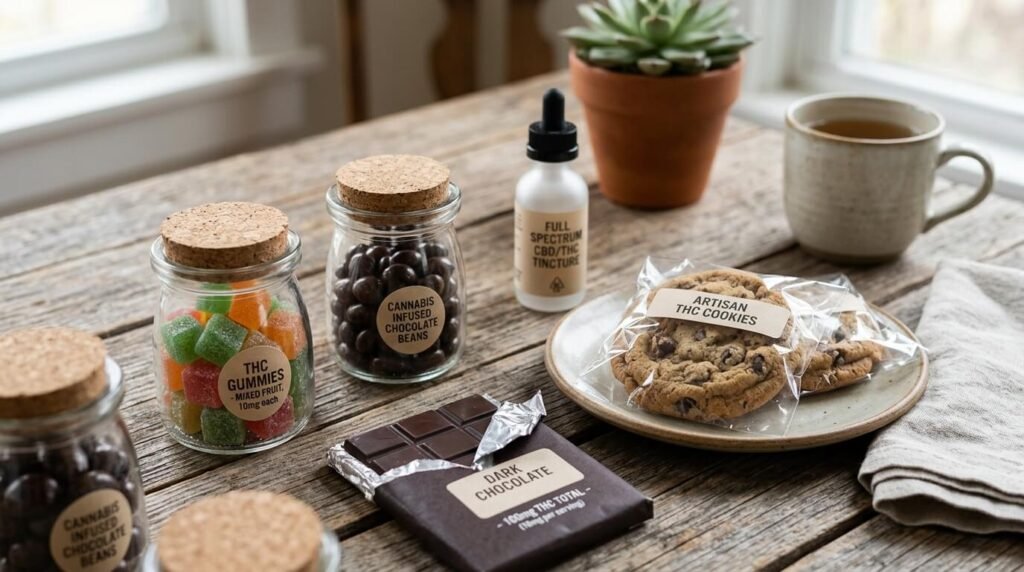
Types of Cannabis Edibles
The edible market has expanded significantly in recent years. Consumers can now choose from various products depending on their preferences and desired effects.
Gummies
Gummies are among the most popular options because they offer precise dosing, convenience, and a wide range of flavors.
Chocolates
Cannabis-infused chocolates combine THC or CBD with cocoa-based treats. They are easy to consume and often available in individually measured servings.
Baked Goods
Traditional brownies, cookies, cakes, and muffins remain common edible choices. However, dosing can sometimes be less consistent compared to gummies.
Cannabis Beverages
Infused drinks such as teas, sodas, sparkling waters, and energy drinks provide an alternative for those who prefer not to eat sweets.
Capsules and Softgels
Capsules offer a discreet and accurate way to consume cannabis, making them popular among medical users.
Tinctures
Although technically different from food products, tinctures are often grouped with edibles. They can be consumed directly or added to foods and beverages.
How Long Do Cannabis Edibles Take to Kick In?
One of the most important things to understand is onset time.
Most edible products begin producing noticeable effects within:
- 30 to 60 minutes for many users
- Up to 2 hours in some cases
- Faster for certain beverages and sublingual products
Several factors influence onset time:
- Body weight
- Metabolism
- Tolerance level
- Food consumed beforehand
- Product formulation
- THC concentration
Because effects are delayed, users should avoid consuming additional servings too quickly.
How Long Do the Effects Last?
Edibles generally last much longer than smoking or vaping cannabis.
Typical duration includes:
- Initial effects: 30–120 minutes
- Peak effects: 2–4 hours
- Total duration: 6–8 hours or longer
Some users may experience residual effects for up to 12 hours depending on dosage and individual metabolism.
Cannabis Edibles Dosage Guide
Proper dosing is essential for a positive experience.
Beginner Dosage
- 1–2.5 mg THC: Very mild effects
- 2.5–5 mg THC: Suitable for many beginners
Intermediate Dosage
- 5–15 mg THC: Moderate psychoactive effects
Experienced Users
- 15–30 mg THC: Strong effects
High Dosage
- 30 mg+ THC: Recommended only for highly experienced consumers
A common recommendation is to start low and wait at least two hours before considering additional consumption.
Potential Benefits of Cannabis Edibles
Many consumers choose edibles for both recreational and wellness purposes.
Smoke-Free Consumption
Edibles eliminate exposure to smoke and respiratory irritation associated with smoking cannabis.
Longer-Lasting Relief
Many users report that edible effects last longer than inhaled cannabis products.
Precise Dosing
Commercial products often provide clearly labeled THC and CBD content.
Discreet Use
Edibles can be consumed without producing noticeable smoke or odor.
Potential Therapeutic Applications
Research and consumer experiences suggest possible benefits for:
- Chronic pain management
- Sleep support
- Anxiety relief
- Appetite stimulation
- Nausea reduction
Individual results vary, and medical guidance is recommended when using cannabis for health-related purposes.
Common Effects of Cannabis Edibles
Effects depend on dosage, cannabinoid content, and individual tolerance.
Positive effects may include:
- Relaxation
- Euphoria
- Improved mood
- Enhanced sensory perception
- Better sleep
- Increased appetite
Possible side effects include:
- Dry mouth
- Drowsiness
- Dizziness
- Anxiety
- Paranoia
- Impaired coordination
- Increased heart rate
Most side effects are temporary and resolve as the edible wears off.
Safety Tips for Using Cannabis Edibles
Responsible consumption is important for reducing risks.
Start Low and Go Slow
New users should begin with the lowest effective dose.
Wait Before Taking More
Avoid consuming additional servings before allowing enough time for effects to appear.
Read Product Labels Carefully
Always verify THC and CBD concentrations.
Avoid Driving
Do not drive or operate heavy machinery while under the influence.
Store Safely
Keep products away from children and pets to prevent accidental consumption.
Buy From Licensed Sources
Choose products that have undergone testing for potency and contaminants.
Cannabis Edibles vs Smoking
| Feature | Edibles | Smoking |
| Onset Time | 30–120 minutes | Minutes |
| Duration | 6–8+ hours | 1–4 hours |
| Lung Exposure | None | Present |
| Dosing Accuracy | Higher | Variable |
| Discretion | High | Lower |
Many users choose edibles because they provide a longer-lasting and smoke-free experience.
Who Should Avoid Cannabis Edibles?
Certain individuals should consult healthcare professionals before use, including:
- Pregnant or breastfeeding individuals
- People with cardiovascular conditions
- Individuals taking medications that may interact with cannabis
- Those with a history of severe psychiatric disorders
Responsible use and medical advice can help reduce potential risks.
Frequently Asked Questions
Can cannabis edibles be stronger than smoking?
Yes. Because THC is processed through the liver, many users report stronger and longer-lasting effects.
Can I take edibles on an empty stomach?
Effects may occur faster, but intensity can vary significantly.
What happens if I consume too much?
You may experience anxiety, dizziness, confusion, or discomfort. Most symptoms are temporary and improve with time.
Are CBD edibles psychoactive?
CBD-only products generally do not produce the intoxicating effects associated with THC.
Conclusion
Cannabis edibles have become one of the most popular ways to consume cannabis due to their convenience, discretion, and long-lasting effects. From gummies and chocolates to beverages and capsules, there are options for nearly every preference. Understanding onset times, proper dosage, benefits, and safety precautions is essential for a positive experience. Whether you are a beginner or an experienced consumer, starting with a low dose and consuming responsibly can help you enjoy the benefits while minimizing potential risks.