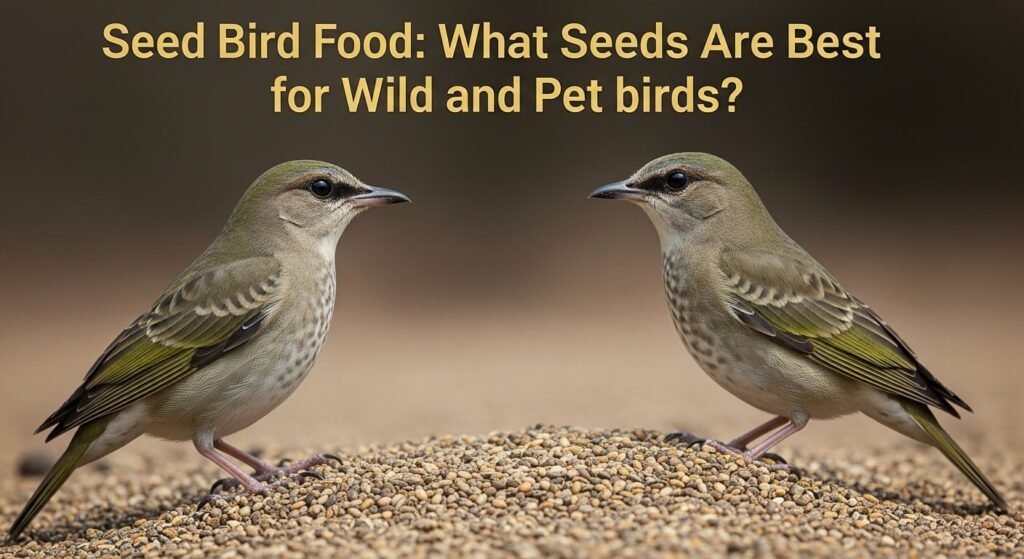

Feeding birds is a rewarding activity, but many bird lovers struggle to choose the right seed bird food. The market is full of seed mixes, yet not all of them provide proper nutrition for wild or pet birds. Some mixes contain low-quality fillers that birds ignore, while others may lack essential nutrients. The solution is understanding which seeds are truly beneficial and how to select the best seed bird food for different species. By learning about quality seeds, balanced wild bird seed food, and preparing homemade seed bird food, you can attract healthy birds and support their nutritional needs.
What Is Seed Bird Food?
Seed bird food refers to a variety of seeds that birds eat for energy, protein, and essential nutrients. These seeds can be offered individually or combined in a bird seed mix for feeders to attract multiple bird species.
Many bird species naturally consume seeds in the wild, especially finches, sparrows, and parrots. Seed mixtures are often designed specifically for certain birds, such as finch seed mixes or parrot seed blends.
Seeds are convenient to store, easy to distribute in feeders, and highly attractive to birds. However, the quality and type of seeds greatly affect their nutritional value.
Why Choosing the Best Seed Bird Food Matters
Not all bird seed mixes are equal. Some inexpensive mixes include fillers such as oats or low-quality grains that birds may discard.
Selecting high-quality seed bird food is important because:
- It provides energy and essential nutrients
- It attracts a greater variety of birds
- It reduces waste in feeders
- It supports healthy feathers and metabolism
Bird enthusiasts who choose the right seeds often notice more birds visiting their gardens or feeders.
Types of Seeds Birds Love
Birds enjoy a variety of seeds, but some are more nutritious and popular than others.
Sunflower Seeds
Sunflower seeds are considered one of the most popular options for bird feeders.
These seeds are rich in fat and protein, making them an excellent energy source for birds, especially during winter.
Black oil sunflower seeds are particularly recommended because their thin shells make them easy for birds to crack open.
Benefits include:
- High energy content
- Suitable for many bird species
- Easy to digest
Nyjer (Thistle) Seeds
Nyjer seeds are small, oil-rich seeds loved by finches and other small birds.
They provide a high level of healthy fats and are commonly used in specialized feeders designed for finches.
Advantages:
- Ideal for small birds
- Rich in oils and nutrients
- Attracts goldfinches and siskins
Millet Seeds
Millet is a common ingredient in bird seed mixes.
These seeds are especially popular among ground-feeding birds like sparrows and doves.
Benefits include:
- Easy to digest
- Affordable and widely available
- Suitable for smaller birds
Safflower Seeds
Safflower seeds are a nutritious alternative to sunflower seeds.
They contain healthy fats and protein and are often used to discourage certain birds or squirrels from feeding.
Advantages include:
- High nutritional value
- Attracts cardinals and chickadees
- Helps reduce unwanted feeder visitors
Canary Seeds
Canary seeds are commonly included in mixes for pet birds.
These seeds provide carbohydrates and protein and are especially suitable for finches and canaries.
Wild Bird Seed Food: What Wild Birds Prefer
Wild birds have different feeding preferences depending on their species.
For example:
- Finches prefer Nyjer seeds and sunflower seeds
- Cardinals enjoy sunflower and safflower seeds
- Chickadees prefer sunflower seeds and peanuts
Providing a variety of seeds in a feeder can attract more bird species and support biodiversity in your backyard.
Bird watchers often combine several seeds to create a balanced wild bird seed food mix.
Bird Seed Mix for Feeders: How to Choose the Right Blend
A good bird seed mix for feeders should contain high-quality ingredients and avoid unnecessary fillers.
Features of a Good Bird Seed Mix
- Contains sunflower seeds or sunflower hearts
- Includes Nyjer or millet for smaller birds
- Avoids fillers like excess oats or milo
- Provides balanced nutrition
Experts recommend checking the ingredient list before purchasing bird seed to ensure it includes nutrient-rich seeds.
Best Seed Bird Food for Pet Birds
Pet birds have slightly different dietary requirements compared to wild birds.
Many pet birds enjoy seed mixes containing:
- Millet
- Canary seeds
- Sunflower seeds
- Safflower seeds
However, seeds alone may not provide complete nutrition. Bird experts often recommend combining seeds with fruits, vegetables, and pellets to maintain balanced health.
Small birds such as budgies, finches, and canaries can consume more seeds because their natural diet contains many seeds.
Homemade Seed Bird Food: A Healthy Alternative
Creating homemade seed bird food is a great way to ensure quality and avoid unnecessary fillers.
Simple Homemade Bird Seed Mix
Ingredients:
- 2 cups black oil sunflower seeds
- 1 cup millet
- ½ cup Nyjer seeds
- ½ cup cracked corn
- ¼ cup safflower seeds
Instructions:
- Combine all seeds in a large container.
- Mix thoroughly.
- Store in an airtight container.
- Fill feeders regularly with fresh seed.
This homemade mix provides a balanced combination of nutrients and attracts multiple bird species.
Tips for Feeding Birds Safely
Providing bird food responsibly helps protect bird health.
Clean feeders regularly
Dirty feeders can spread disease among birds.
Use fresh seed
Old or moldy seed can be harmful.
Provide clean water
Birds need water for drinking and bathing.
Avoid human food
Foods like bread offer little nutritional value and may harm birds.
Maintaining clean feeding conditions ensures birds remain healthy and continue visiting your feeders.
Common Mistakes When Choosing Bird Seed
Many beginners make mistakes when buying bird food.
Buying Cheap Seed Mixes
Low-cost mixes often contain fillers that birds avoid.
Ignoring Bird Species
Different birds prefer different seeds.
Overfilling Feeders
Excess seed may spoil or attract pests.
Using Only One Type of Seed
Offering variety helps attract more birds and supports balanced nutrition.
Seasonal Feeding Tips for Birds
Bird feeding habits may change depending on the season.
Winter
Birds require high-energy seeds such as sunflower seeds.
Spring
Protein-rich foods help birds during breeding season.
Summer
Provide moderate feeding and fresh water.
Autumn
Birds prepare for migration and need extra energy.
Adapting your feeding strategy helps birds survive different environmental conditions.
Conclusion
Choosing the right seed bird food is essential for keeping wild and pet birds healthy. High-quality seeds such as sunflower, Nyjer, millet, and safflower provide important nutrients and energy. Whether you purchase a ready-made bird seed mix for feeders or prepare homemade seed bird food, selecting nutritious ingredients will attract more birds and support their well-being. By understanding bird feeding habits and offering the best seed bird food, you can create a bird-friendly environment that benefits both birds and bird watchers alike.
For more detailed information, visit :Scotland Food: Popular Meals That Define Scottish Cuisine
Frequently Asked Questions (FAQs)
1. What is seed bird food?
Seed bird food is a mixture of nutritious seeds given to wild or pet birds as their primary source of energy and nutrients. Common seeds include sunflower seeds, millet, safflower, and Nyjer seeds, which help support bird health and activity.
2. What is the best seed bird food for wild birds?
The best seed bird food for wild birds usually includes black oil sunflower seeds, Nyjer seeds, safflower seeds, and millet. These seeds are rich in fats and proteins, which provide birds with the energy they need for survival.
3. What seeds attract the most birds to feeders?
Seeds such as sunflower seeds, Nyjer seeds, and millet are known to attract a wide variety of birds. A balanced bird seed mix for feeders containing these seeds can bring finches, sparrows, chickadees, and cardinals to your backyard.
4. Can I make homemade seed bird food?
Yes, you can easily prepare homemade seed bird food by mixing sunflower seeds, millet, safflower seeds, and cracked corn. Homemade mixes allow you to control quality and avoid fillers often found in cheap bird seed blends.
5. Is wild bird seed food safe for pet birds?
Some wild bird seed food may be suitable for pet birds, but pet birds often need more balanced nutrition. It is best to combine seeds with fruits, vegetables, or pellets to ensure a healthy diet.
6. How often should I refill bird feeders?
Bird feeders should be refilled when they are nearly empty, usually every few days. Regularly cleaning feeders and providing fresh seed bird food helps keep birds healthy and prevents disease.
7. What should I avoid in bird seed mixes?
Avoid mixes with large amounts of fillers such as milo, wheat, or oats. High-quality best seed bird food should focus on nutritious seeds like sunflower, millet, Nyjer, and safflower.