
Introduction
Many people today want fresh homemade bread that is soft, tasty, and easy to make. But the problem is that most modern bread recipes are either too complicated, require special tools, or produce bread that feels processed and artificial. This is why traditional breads are becoming popular again. One of the best examples is sheepherder bread, a simple and rustic bread that solves this problem with easy ingredients, old cooking methods, and rich flavor. It brings back the comfort of homemade baking while staying simple enough for beginners.
In this article, you will learn the full history, recipe, benefits, variations, and cultural importance of sheepherder bread using simple language and clear explanations.
What is Sheepherder Bread?
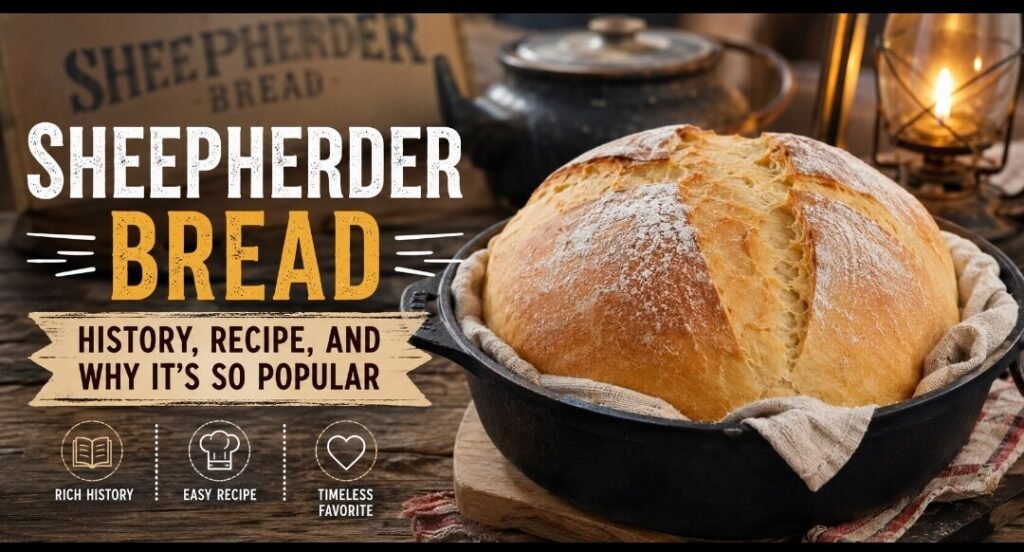
Sheepherder bread is a traditional homemade bread that comes from the American West. It is soft inside, slightly sweet, and baked in large round loaves. It was originally made by workers who needed easy food while living in remote areas.
Key features:
- Soft and fluffy texture
- Light sweet taste
- Simple ingredients
- Easy home preparation
- Traditional rustic style
This bread is closely connected to outdoor cooking and early pioneer life.
History of Sheepherder Bread
The history of sheepherder bread goes back to the late 1800s and early 1900s. It was mainly made by Basque sheepherders who came to the United States.
Why it started:
- Workers lived far from cities
- Needed simple, filling food
- Had limited cooking tools
- Used cast iron pots over fire
These conditions led to the creation of a strong and simple bread recipe.
Important history points:
- Originated in the American West
- Influenced by Basque immigrants
- Cooked in Dutch ovens or cast iron pots
- Designed for outdoor life and long workdays
This bread became a symbol of survival and simplicity.
Ingredients Used in Sheepherder Bread
The recipe is simple and uses basic kitchen items:
- All-purpose flour
- Warm water
- Yeast
- Sugar
- Salt
- Butter or oil
These ingredients are easy to find and affordable, which makes the bread popular even today.
Traditional Recipe of Sheepherder Bread
Here is a simple step-by-step method:
Step 1: Activate yeast
Mix warm water, sugar, and yeast. Let it sit until it becomes foamy.
Step 2: Make dough
Add flour, salt, and butter. Mix until dough forms.
Step 3: Knead
Knead the dough for 8–10 minutes until smooth.
Step 4: First rise
Cover the dough and let it rise for 1–2 hours.
Step 5: Shape
Make a round loaf or divide into smaller pieces.
Step 6: Bake
Bake in a preheated oven or Dutch oven until golden brown.
Cooking Method and Tools
Traditionally, sheepherder bread was baked using:
- Cast iron Dutch ovens
- Open fire cooking
- Hot coals for even heat
Today, most people use a regular oven, but the traditional method is still popular in camping cooking.
Taste, Texture, and Appearance
This bread is known for its comforting qualities.
It has:
- Soft and fluffy inside
- Lightly sweet taste
- Golden crust outside
- Mild buttery flavor
It is similar to dinner rolls but baked as one large loaf.
Why Sheepherder Bread is Still Popular
The popularity of sheepherder bread continues to grow because people love simple and traditional food.
Main reasons:
- Easy to make at home
- Uses common ingredients
- Rich historical background
- Soft and comforting texture
- Fits modern “homemade food” trends
People enjoy it because it feels natural and nostalgic.
Variations of Sheepherder Bread
Different versions of this bread exist today:
Sweet version
- Extra sugar or honey
- Soft dessert-style bread
Savory version
- Garlic or herbs added
- Perfect with soups
Whole wheat version
- Healthier option
- Slightly dense texture
Campfire version
- Cooked outdoors
- Traditional survival style
Common Problems While Making It
Beginners may face some issues:
- Dough not rising properly
- Bread becoming too dense
- Burning outside but raw inside
- Wrong yeast activation
These problems usually come from incorrect timing or temperature.
Helpful Tips for Best Results
To make perfect sheepherder bread, follow these tips:
- Always use warm water, not hot
- Let dough rise fully
- Do not add too much flour
- Use butter for better softness
- Bake at correct temperature
Small details make a big difference in texture.
Nutritional Value
This bread provides:
- Energy from carbohydrates
- Small amount of protein
- Fat from butter or oil
It is best eaten as part of a balanced diet.
Sheepherder Bread in Modern Cooking
Today, sheepherder bread is part of the “heritage baking” trend. Many people enjoy making old recipes that feel traditional and handmade.
It is now popular in:
- Home baking blogs
- Farm-style cooking
- Camping recipes
- Artisan bakeries
This shows how old recipes can still fit modern life.
Cultural Importance
This bread is more than food—it is history. It represents:
- Hard-working shepherd life
- Simple rural cooking
- Early immigrant culture
- Survival and tradition
That is why it is still respected today.
Conclusion
Sheepherder bread is a simple yet meaningful bread that connects us to history, tradition, and comfort food culture. It started as a survival food for workers in the American West but has now become a favorite homemade recipe around the world. Its soft texture, easy ingredients, and rich background make it perfect for anyone who loves baking at home. Whether you are a beginner or experienced baker, this bread is a great way to enjoy traditional cooking in a simple and satisfying way.
For reservations and additional information, visit : candizi.net