
Introduction
Many aquarium owners struggle with keeping their Siamese fighting fish healthy because they often use the wrong diet or overfeed them, leading to bloating, stress, and poor water quality. The solution is simple: choosing the right siamese fish food and following a balanced feeding schedule based on their natural carnivorous diet. When you understand what they eat in the wild and replicate it in captivity, your fish will live longer, show brighter colors, and stay more active.
This guide explains everything you need to know about siamese fish food, including the best food types, feeding routine, and expert care tips based on aquarium best practices and commonly ranking topics across top fish care resources.
1. Nutritional Needs of Siamese Fighting Fish (Betta Fish)
The Siamese fighting fish, scientifically known as Betta splendens, is a carnivorous species that naturally feeds on insects, larvae, and small aquatic organisms in shallow waters.
In captivity, their diet must mimic this protein-rich intake. A proper diet includes:
- High protein (40–50%)
- Moderate fats
- Very low carbohydrates
- Occasional plant-based nutrients
Understanding these needs is the foundation of choosing the right siamese fish food for long-term health.
2. Best Siamese Fish Food Options Available
Choosing high-quality food is the most important step in fish care. The best options include:
- High-protein pellets (main staple)
- Freeze-dried bloodworms
- Frozen brine shrimp
- Live insects (occasionally)
- Specialized Betta flakes
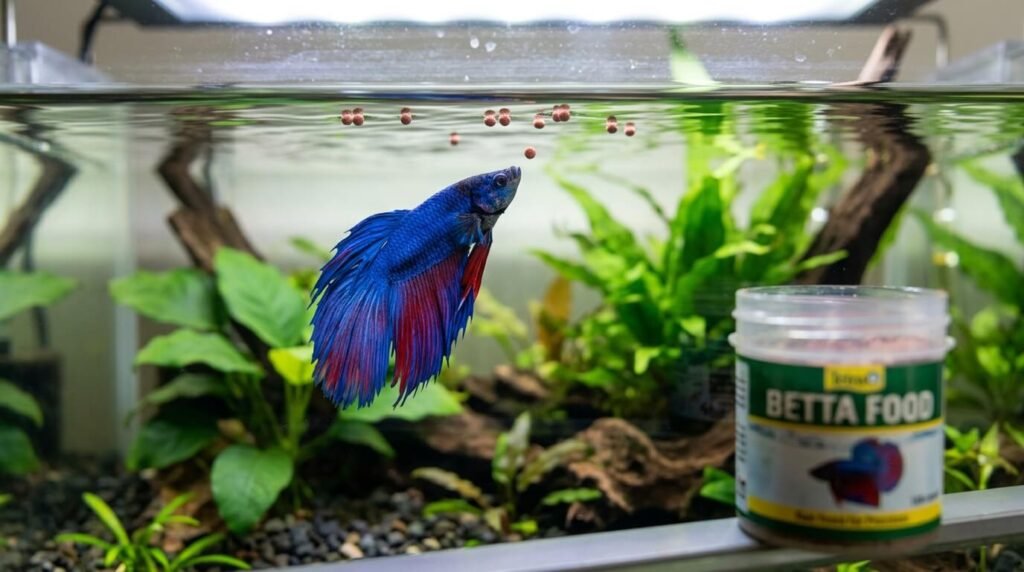
Premium siamese fish food is designed to float, making it easier for Bettas to feed at the water surface since they are top feeders.
3. Protein Requirements for Healthy Growth
Protein is essential for growth, fin development, and vibrant coloration. Bettas require a diet where protein is the primary ingredient.
Good protein sources include:
- Fish meal
- Shrimp meal
- Bloodworms
- Daphnia
Low-protein diets can lead to weak immunity and dull colors. That’s why selecting protein-rich siamese fish food is essential for long-term vitality.
4. Pellets vs Flakes: What Should You Choose?
One of the most common debates among fish keepers is whether pellets or flakes are better.
Pellets:
- More nutrient-dense
- Easier to measure
- Less water pollution
Flakes:
- Easier for beginners
- Less expensive
- May break apart quickly in water
Experts generally recommend pellets as the primary siamese fish food because they offer better nutrition control and reduce waste in the tank.
5. Frozen and Live Foods for Natural Diet
To replicate a natural feeding environment, frozen and live foods should be included 1–2 times per week.
Recommended options:
- Bloodworms
- Brine shrimp
- Mosquito larvae
- Daphnia
These foods stimulate natural hunting behavior and improve digestion. Adding variety to siamese fish food improves both health and activity levels.
6. Vegetables and Plant-Based Nutrition
Although Bettas are carnivores, small amounts of plant matter can help digestion and prevent constipation.
Safe plant-based foods include:
- Pea (de-shelled and boiled)
- Spinach (blanched)
- Small algae-based foods
However, plant food should only be a supplement, not the main siamese fish food source.
7. Ideal Feeding Schedule for Siamese Fish
A consistent feeding routine is key to maintaining health.
Recommended schedule:
- Adult fish: 2 times per day
- Juvenile fish: 3 times per day (small portions)
- Fast days: 1 day per week (optional)
Each feeding should be small and consumed within 2 minutes. Proper scheduling of siamese fish food prevents overfeeding and water contamination.
8. How Much Should You Feed?
Overfeeding is one of the biggest mistakes aquarium owners make.
General rule:
- 2–3 pellets per feeding
- Or a small pinch of flakes
- Avoid uneaten food in the tank
Remember: a betta’s stomach is roughly the size of its eye. Controlled portions of siamese fish food ensure better digestion and cleaner water.
9. Common Feeding Mistakes to Avoid
Many beginners unintentionally harm their fish through poor feeding habits.
Avoid these mistakes:
- Overfeeding daily
- Using only flakes
- Not removing uneaten food
- Feeding low-quality food
- Ignoring protein requirements
Correcting these mistakes will dramatically improve how effective your siamese fish food routine becomes.
10. Care Tips for a Healthy Siamese Fish
Good nutrition must be combined with proper care practices.
Key tips include:
- Maintain clean water (regular changes)
- Keep temperature between 24–28°C
- Avoid overcrowding tank
- Provide hiding spots and plants
- Use gentle filtration
A healthy environment helps the fish fully benefit from high-quality siamese fish food, improving lifespan and coloration.
11. Frequently Asked Questions (FAQ)
What is the best Siamese fish food?
High-protein pellets combined with occasional frozen foods are the best option.
Can Siamese fish eat normal fish flakes?
Yes, but flakes should not be the main diet.
How often should I feed my Siamese fish?
Twice a day for adults and small portions only.
Can they eat vegetables?
Yes, but only in small amounts as a supplement.
What happens if I overfeed?
It leads to bloating, poor water quality, and stress.
Conclusion
Feeding your fish properly is the key to a long and healthy life. By choosing high-quality siamese fish food, maintaining a balanced protein-rich diet, and following a proper feeding schedule, you can ensure your fish remains active, colorful, and stress-free.
The success of keeping a Siamese fighting fish depends not just on food quality but also on consistency and care. When you combine the right nutrition with a clean and stable environment, your fish will thrive for years to come.