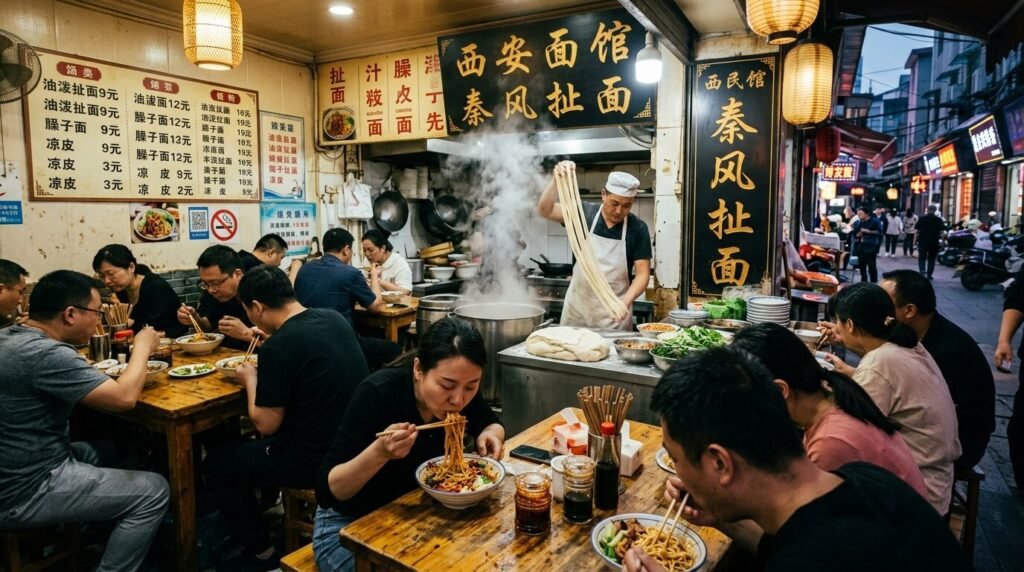

Finding truly authentic Chinese noodle dishes outside China can be difficult. Many restaurants claim to serve traditional recipes, but the flavors are often adjusted too much for local tastes. Food lovers searching for bold spices, hand-pulled noodles, and real street-food experiences usually struggle to find a place that feels authentic. That is where a xian noodle place stands out. Known for rich sauces, spicy chili oil, chewy hand-pulled noodles, and famous dishes from Xi’an, these restaurants bring traditional Chinese street food flavors to modern diners around the world.
What Is a Xian Noodle Place?
A xian noodle place specializes in foods inspired by Xi’an, one of China’s oldest cities and an important stop on the ancient Silk Road. Xi’an cuisine combines influences from Central Asia, Middle Eastern spices, and traditional Chinese cooking methods.
These restaurants are famous for:
- Hand-pulled noodles
- Spicy chili oil
- Lamb dishes
- Cumin-flavored meats
- Thick noodle soups
- Flat noodles
- Street-food snacks
Xi’an food has become increasingly popular because it offers stronger and bolder flavors than many traditional Chinese-American dishes.
According to food historians, Xi’an’s location along the Silk Road helped shape its unique food culture with spices and cooking styles from many regions.
Why Hand-Pulled Noodles Are So Popular
The Art of Making Hand-Pulled Noodles
One reason people love a xian noodle place is the traditional noodle-making process. Skilled chefs stretch and pull dough repeatedly until it becomes long, chewy noodles.
The process requires years of practice because the dough must remain smooth and elastic without breaking.
Many customers enjoy watching chefs prepare noodles fresh in open kitchens. The experience adds authenticity and entertainment to the meal.
Texture Makes a Big Difference
Unlike machine-made noodles, hand-pulled noodles have a softer texture with more chewiness. They also absorb sauces better, making every bite more flavorful.
Food experts often describe authentic Chinese noodles as having a balance between firmness and elasticity.
The History Behind Xi’an Street Food
Xi’an has a food culture that dates back thousands of years. Because the city connected traders from Asia, the Middle East, and Europe, many spices and cooking traditions mixed together.
Street food became an important part of daily life in Xi’an. Vendors sold noodles, grilled meats, soups, and flatbreads to travelers and merchants passing through the city.
Today, many modern spicy noodle restaurant menus are inspired by these traditional street markets.
According to travel food guides, Xi’an’s Muslim Quarter remains one of the most famous street-food destinations in China.
Most Popular Dishes at a Xian Noodle Place
Biang Biang Noodles
Biang Biang noodles are one of Xi’an’s most famous dishes. These extra-wide noodles are served with chili oil, garlic, vinegar, vegetables, and meat.
The noodles are thick, chewy, and packed with flavor.
The word “Biang” is famous for being one of the most complex Chinese characters ever created.
Liang Pi Cold Noodles
Liang Pi is a cold noodle dish often eaten during warm weather. It includes wheat or rice noodles mixed with cucumber, bean sprouts, garlic, and spicy sauce.
The refreshing texture makes it popular in summer.
Rou Jia Mo
Often called the “Chinese hamburger,” Rou Jia Mo consists of chopped meat stuffed inside crispy flatbread.
Lamb and beef are common fillings because of the city’s Muslim culinary influence.
Spicy Cumin Lamb Noodles
Cumin lamb noodles are among the most ordered dishes in many authentic Chinese noodles restaurants.
The dish combines tender lamb, cumin, chili flakes, garlic, and chewy noodles for bold flavor.
According to restaurant reviews, cumin-based dishes are one of the signature flavors that define Xi’an cuisine.
Why Xi’an Cuisine Is Different From Other Chinese Food
Many people assume all Chinese food tastes similar, but Xi’an cuisine has several unique characteristics.
Strong Use of Spices
Xi’an dishes often use:
- Cumin
- Chili oil
- Garlic
- Black vinegar
- Sichuan pepper
- Star anise
These spices create deeper and more intense flavors.
Influence From Muslim Cuisine
Xi’an has a large Muslim population, which influences many local dishes. Lamb and beef are more common than pork in traditional recipes.
Wheat-Based Foods
Unlike southern Chinese cuisine, which uses more rice, Xi’an cuisine focuses heavily on noodles and breads made from wheat flour.
Food researchers note that northern Chinese cuisine traditionally depends more on wheat-based dishes because of regional farming patterns.
Best Drinks to Pair With Xi’an Noodles
A spicy noodle restaurant often serves drinks that balance strong flavors.
Popular options include:
- Jasmine tea
- Plum juice
- Soy milk
- Bubble tea
- Cold herbal tea
- Chinese black tea
These drinks help cool the mouth after spicy dishes.
The Growing Popularity of Xian Noodle Places Worldwide
Xi’an-style restaurants have expanded rapidly in cities like:
- New York
- Los Angeles
- Toronto
- London
- Sydney
- Singapore
One major reason is social media. Food videos featuring hand-pulled noodles and chili oil dishes regularly go viral online.
Food bloggers and YouTubers have also helped introduce Xi’an cuisine to global audiences.
According to restaurant industry reports, Chinese regional cuisine continues growing in popularity because customers now want more authentic dining experiences instead of generic takeout meals.
What Makes a Great Xian Noodle Place?
Freshly Made Noodles
Fresh noodles are one of the most important signs of authenticity.
Bold Chili Oil Flavor
Good Xi’an food uses fragrant chili oil instead of overly greasy sauces.
Traditional Cooking Techniques
Restaurants that prepare noodles by hand usually deliver better texture and flavor.
Balanced Spices
Authentic recipes balance heat, garlic, vinegar, and savory flavors carefully.
Fast Casual Atmosphere
Many Xi’an restaurants recreate the feeling of Chinese street food markets with casual seating and quick service.
Health Benefits of Authentic Chinese Noodles
While some noodle dishes can be high in calories, many Xi’an dishes include fresh vegetables, lean proteins, and simple ingredients.
Potential benefits include:
- High protein from beef or lamb
- Fresh herbs and vegetables
- Fewer processed ingredients
- Homemade noodles without preservatives
However, spicy sauces and oils should still be enjoyed in moderation.
Tips for First-Time Visitors
Start With Medium Spice
Xi’an food can become extremely spicy, so beginners should start carefully.
Try Signature Dishes
Biang Biang noodles and Rou Jia Mo are excellent introductions to Xi’an cuisine.
Watch the Noodle-Making Process
Many restaurants have open kitchens where customers can watch chefs stretch noodles by hand.
Eat Fresh
Hand-pulled noodles taste best immediately after cooking.
Best Side Dishes to Order
Besides noodles, many restaurants also serve:
- Dumplings
- Scallion pancakes
- Lamb skewers
- Cucumber salad
- Steamed buns
- Pickled vegetables
These sides complement spicy noodle dishes very well.
Why Food Lovers Enjoy Spicy Noodle Restaurants
Modern diners increasingly prefer bold flavors and authentic cultural experiences.
Xi’an cuisine provides:
- Rich history
- Interactive cooking
- Fresh ingredients
- Unique textures
- Strong spices
- Street-food authenticity
That combination makes it different from standard fast-food dining.
Food trend analysts report that younger consumers especially enjoy regional international cuisine because of its originality and visual appeal on social media.
How Xi’an Street Food Became a Global Trend
Several factors helped Xi’an cuisine gain worldwide attention:
Social Media Videos
Hand-pulled noodle videos attract millions of views online.
Food Tourism
Travelers visiting China often discover Xi’an street food and later search for similar restaurants at home.
Rise of Regional Chinese Cuisine
Consumers now seek more specialized Chinese dining experiences instead of generic menus.
Celebrity Food Shows
Travel documentaries and YouTube food creators frequently feature Xi’an noodles and Muslim Quarter street markets.
According to CNN Travel, Xi’an’s noodle culture is now considered one of China’s most internationally recognized food traditions.
Common Ingredients Used in Xi’an Cuisine
Authentic Xi’an dishes often include:
- Wheat flour noodles
- Chili oil
- Garlic
- Green onions
- Cumin
- Vinegar
- Lamb
- Beef
- Bok choy
- Cilantro
These ingredients create the rich and spicy flavor profile associated with Xi’an food.
The Future of Xi’an Noodle Restaurants
As consumers continue searching for authentic dining experiences, Xi’an restaurants are expected to grow even more popular.
Many modern restaurants now combine traditional flavors with:
- Vegan options
- Gluten-free noodles
- Fusion dishes
- Delivery-friendly packaging
This helps attract wider audiences while preserving traditional cooking methods.
Conclusion
A xian noodle place offers much more than simple noodle dishes. It represents centuries of culinary history, Silk Road influence, traditional cooking techniques, and bold street-food flavor. From chewy hand-pulled noodles to spicy cumin lamb and famous Biang Biang noodles, Xi’an cuisine delivers a unique dining experience that food lovers around the world continue to enjoy.
As authentic Chinese noodles become more popular internationally, more diners are discovering why Xi’an street food has become one of the fastest-growing trends in global cuisine. Whether you are a first-time visitor or a longtime fan of spicy noodle restaurant culture, Xi’an food provides unforgettable flavor, history, and authenticity.